

Natural mosquito bite prevention for children is defined as a layered approach combining physical barriers, environmental control, and age-appropriate repellents to minimize both mosquito exposure and chemical contact. Parents who want to protect kids from mosquito bites naturally need more than a bottle of citronella spray. The American Academy of Pediatrics (AAP) and the Environmental Protection Agency (EPA) both publish age-specific safety guidelines that shape which methods are safe for infants, toddlers, and older kids. Getting this right means understanding what actually works, what only sounds natural, and how to layer each strategy for real protection.
What natural physical barriers effectively prevent mosquito bites in children?
Physical barriers are the most reliable front-line defense against mosquito bites for children. They require no chemicals, carry no age restrictions, and work immediately. The key is knowing how to use them correctly.
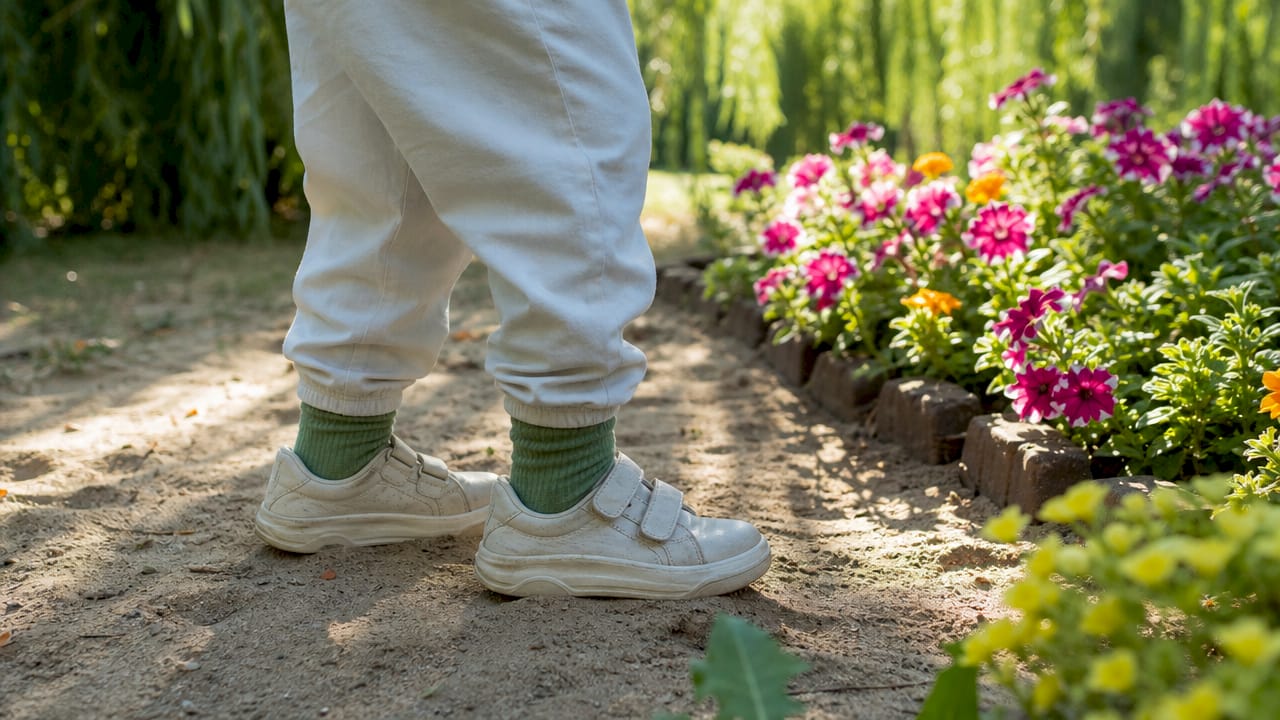
Clothing is your first line of defense. Mosquitoes bite through tight fabric, so the fit matters as much as the coverage. Loose, light-colored, long-sleeved shirts and pants create an air gap that mosquitoes cannot easily reach through. Dark colors attract more heat and more insects, so dress kids in white, yellow, or pale blue for outdoor play. Breathable fabrics like cotton or linen keep kids cool while still providing coverage.
Mosquito netting adds another layer of protection for infants and toddlers who cannot yet use repellents. Draping fine mesh netting over strollers, baby carriers, and outdoor play areas creates a physical shield with zero chemical exposure. Look for netting with openings small enough to block even the smallest mosquito species.
Here is what works and what to check:
- ✅ Loose, light-colored long sleeves and pants for all outdoor play
- ✅ Fine mesh netting over strollers, carriers, and playpens
- ✅ Outdoor fans near seating areas to disrupt mosquito flight
- ✅ Closed-toe shoes and socks for ankle and foot protection
- ✅ Pre-treated clothing (permethrin-treated) for older children in high-risk areas
Pro Tip: Tuck your child’s pants into their socks before outdoor play. This simple step closes the gap at the ankle, which is one of the most common bite zones for kids playing on the ground.
Spatial repellent devices, such as clip-on fan units or patio shield systems, work by dispersing repellent compounds into the air around a defined area. These keep mosquitoes away from a play zone without applying anything directly to a child’s skin. They work best in calm conditions with little wind.
How can parents manage the environment naturally to reduce mosquito presence?
Environmental control is the most underused strategy in natural mosquito prevention. Eliminating breeding sites and trimming yard vegetation reduces the mosquito population before it reaches your child. No spray can match that.
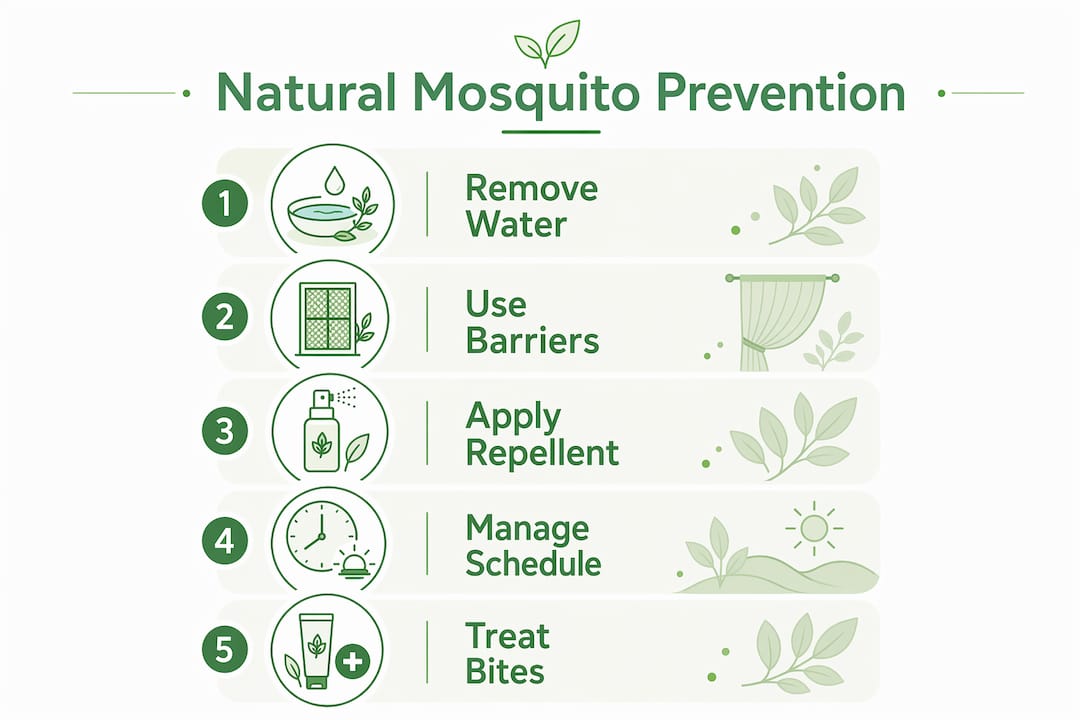
Mosquitoes detect human scent from 38 yards away, which means they are actively seeking your kids long before outdoor play begins. Removing standing water from gutters, birdbaths, flowerpot saucers, and toys cuts off their breeding cycle. Even a bottle cap of stagnant water can support mosquito larvae.
Mosquito activity peaks at dawn and dusk. Scheduling outdoor playtime between 10:00 AM and 4:00 PM reduces exposure significantly during the summer months. This single scheduling shift can lower bite risk without any product at all.
| Environmental tactic | How it works | Effectiveness |
|---|---|---|
| Remove standing water | Eliminates breeding sites | Very high |
| Trim yard vegetation | Reduces resting habitat | High |
| Run outdoor fans | Disrupts mosquito flight path | High in calm conditions |
| Schedule play at midday | Avoids peak mosquito hours | High |
| Clear leaf litter and debris | Removes damp hiding spots | Moderate |
One commonly misunderstood tactic is planting mosquito-repelling herbs like basil, lavender, or lemon balm in the yard. Simply growing these plants does not repel mosquitoes. The oils that deter insects are only released when leaves are crushed or extracted. A garden bed of lavender looks beautiful but provides no meaningful protection on its own.
What natural repellents are safe and effective for children of different ages?
Age determines everything when choosing a child-friendly insect repellent. The AAP and EPA are clear: no repellent of any kind should be used on infants under 2 months old. For those babies, physical barriers and environmental control are the only safe options.
For children 2 months and older, EPA-registered repellents containing DEET, picaridin, IR3535, or Oil of Lemon Eucalyptus (OLE/PMD) are approved for use. Each has a different age floor. OLE and PMD carry the strictest restriction: they must never be used on children under 3 years old. Parents often assume that “plant-based” means safe for all ages. That assumption is wrong and potentially harmful.
Common essential oils like citronella, peppermint, and lavender are popular in homemade mosquito repellents, but their protection window is short. Standard essential oils provide only 20–30 minutes of protection, while EPA-registered OLE/PMD products protect for 2–5 hours. That gap matters when kids are playing outside for an afternoon. Reapplying a citronella spray every 20 minutes is not realistic for most parents.
Many natural products are unregulated and can cause skin irritation, especially in young children. Essential oils like clove and cinnamon are particularly harsh on sensitive skin. “Natural” on a label does not mean tested, regulated, or safe for children.
Safe application rules for any repellent:
- ✅ Apply repellent to your own hands first, then transfer to the child’s skin
- ✅ Avoid applying near eyes, mouth, or hands that go in the mouth
- ✅ Never apply repellent under clothing
- ✅ Use the lowest effective concentration for the activity duration
- ✅ Wash repellent off with soap and water after returning indoors
Pro Tip: For toddlers and preschoolers, apply repellent to the back of the neck, arms, and legs only. Skip the face entirely and use a hat or netting for head protection instead.
Natural essential oils mask human scent but break down quickly in heat and humidity. In areas where mosquito-borne illness is a real risk, relying solely on essential oils for mosquito bite prevention is not enough. Layer them with physical barriers and schedule outdoor time wisely.
How to treat mosquito bites naturally and prevent complications in children?
Fast, calm bite care prevents most complications. The goal is to reduce itching, prevent scratching, and watch for signs of infection or allergic reaction.
Clean the bite immediately with soap and water, apply a cold compress, and use hydrocortisone cream or calamine lotion sparingly to reduce swelling and itch. These steps address the immediate reaction without introducing unnecessary chemicals. Cold compresses work especially well for young children who cannot yet understand why they should not scratch.
Scratching is the biggest risk after a bite. Broken skin invites bacteria, and secondary infections in children can escalate quickly. Trim your child’s fingernails short during mosquito season. For persistent itching, an age-appropriate oral antihistamine can help, but check with your pediatrician before using one on children under 2.
Natural bite care steps to follow:
- ✅ Wash the bite with soap and water right away
- ✅ Apply a cold, damp cloth for 10 minutes to reduce swelling
- ✅ Use calamine lotion or a small amount of hydrocortisone cream
- ✅ Keep fingernails short to reduce scratching damage
- ✅ Watch for signs of infection: increasing redness, warmth, or pus
Call your pediatrician if the bite area swells significantly, if your child develops a fever, or if the reaction spreads beyond the bite site. Mosquito-borne illnesses like West Nile virus are rare in children but real. Any unusual symptom after a bite warrants a call to your doctor.
Avoid applying unregulated essential oil blends directly to a fresh bite. Some concentrated oils, particularly clove or tea tree, can worsen irritation on already inflamed skin. Stick to proven, gentle options for herbal remedies for mosquito bites in young children.
Key Takeaways
Protecting children from mosquito bites naturally requires layering physical barriers, environmental controls, and age-appropriate repellents rather than relying on any single method.
| Point | Details |
|---|---|
| Physical barriers first | Loose, light-colored clothing and fine mesh netting provide chemical-free protection for all ages. |
| Eliminate breeding sites | Removing standing water reduces the mosquito population before it reaches your yard. |
| Know the age rules | No repellent for infants under 2 months; OLE/PMD is off-limits for children under 3. |
| Essential oils have limits | Citronella and lavender last only 20–30 minutes. EPA-registered OLE/PMD lasts 2–5 hours. |
| Treat bites promptly | Clean, compress, and apply calamine lotion to prevent scratching and secondary infection. |
What I’ve learned about natural mosquito protection after years with Jeffi
Parents come to us at Jeffi with the same starting point: they want something natural, and they assume natural means safe for everything. I understand that instinct completely. But after years of working with natural formulations and talking with parents, I have seen one mistake repeat itself more than any other. Families put all their trust in a single product, usually an essential oil spray, and skip the rest.
The truth is that no single product, natural or otherwise, does the whole job. The families who have the best outcomes are the ones who treat mosquito protection like a routine, not a product. They dress their kids in the right clothing, they clear standing water from the yard on a regular basis, and they choose repellents that match their child’s age and the actual risk level of their environment.
I also want to be honest about essential oils. At Jeffi, we believe in the power of natural ingredients. We also believe in being truthful about what they can and cannot do. Essential oils are real, they have real properties, and they deserve a place in your routine. But they are not a substitute for EPA-registered protection when your child is playing in a high-mosquito area for hours. Use them as part of a layered plan, not as your only plan.
The parents who feel most confident are the ones who stop looking for one perfect solution and start building a simple, consistent routine instead.
— Jeffi
Jeffi’s natural skin care for kids’ outdoor protection

At Jeffi, every product starts with one commitment: all-natural, Non-GMO Project verified formulations that are gentle enough for children’s skin. Our whipped body butters are crafted to nourish and protect skin before and after outdoor play, making them a natural fit for families building a mosquito protection routine. They absorb quickly, leave no greasy residue, and work beautifully alongside physical barriers and safe repellents.
For parents who want a complete natural skin care setup, our product bundles combine our most popular items into one easy kit. Jeffi products are designed to fit into real family life, not complicate it. Visit Jeffi to find the right combination for your family’s outdoor routine this season.
FAQ
What is the safest natural mosquito repellent for toddlers?
For children between 2 months and 3 years old, EPA-registered repellents containing picaridin or IR3535 are the safest options. OLE/PMD and unregulated essential oil blends are not approved for this age group.
How long do natural mosquito repellents last on kids?
Common essential oil repellents like citronella or lavender last only 20–30 minutes. EPA-registered plant-based products containing Oil of Lemon Eucalyptus protect for 2–5 hours and are a more reliable choice for extended outdoor play.
Can I use essential oils directly on my child’s mosquito bite?
Avoid applying concentrated essential oils directly to a fresh bite. Calamine lotion and a cold compress are safer, gentler options that reduce itch and swelling without risking additional skin irritation.
What is the best way to reduce mosquitoes in my yard naturally?
Removing standing water from gutters, toys, and plant saucers is the single most effective natural yard control method. Trimming dense vegetation and running outdoor fans during playtime also reduces mosquito activity significantly.
At what age can children start using mosquito repellent?
No repellent should be used on infants under 2 months old. From 2 months onward, EPA-registered repellents with DEET, picaridin, or IR3535 are approved, with OLE/PMD reserved for children 3 years and older.