

If you’re searching for Heffrelief.com alternatives, the most practical starting point is occlusive barrier ointments and ceramide-rich creams. These two formulation categories replicate what Heff Hand Elbow Foot Formula does best: sealing in moisture, softening calluses, and protecting damaged skin on your hardest-working areas. Most people see reduced flaking and improved texture within a few days of consistent use, which aligns with standard dermatology guidance from the American Academy of Dermatology on treating dry, cracked skin.
Here’s a quick shortlist to act on right now:
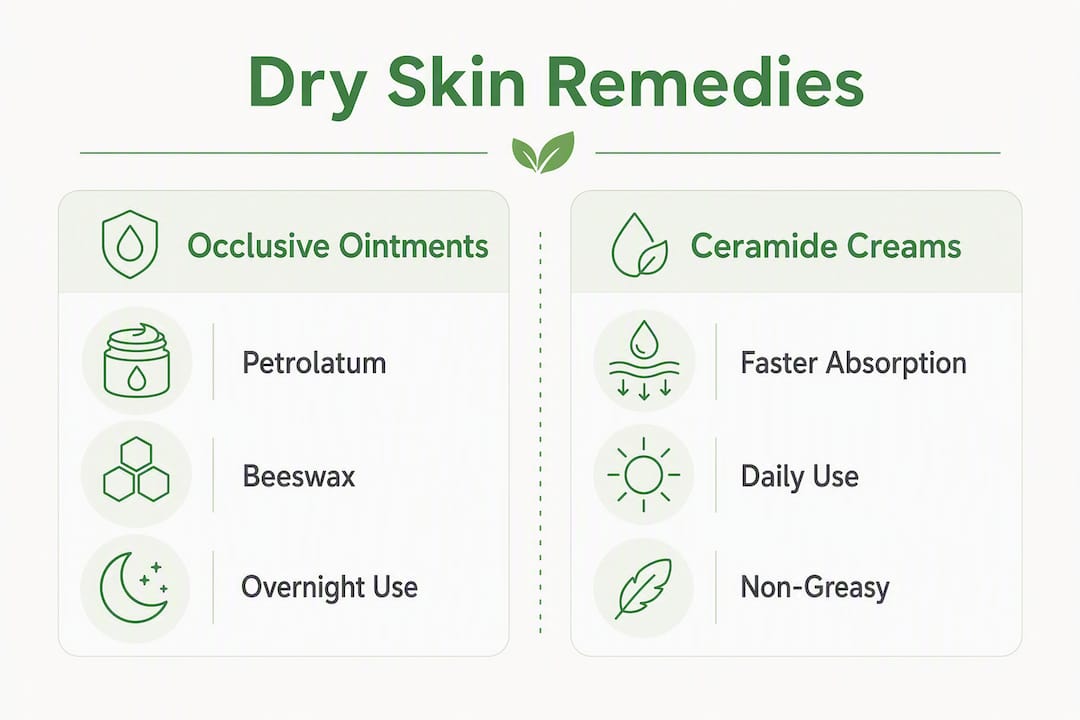
- Occlusive barrier ointments (petrolatum-based): best for overnight heel and elbow repair
- ✅ Ceramide-rich creams: best for daily hand and body barrier restoration
- Urea-based lotions: best for softening callused skin on feet
- ✅ Natural balms and salves (beeswax or plant-based): best for sensitive skin and on-the-go use
- Non-GMO, paraben-free hand and body lotions like Jeffi’s hand & body lotion: best for everyday use with clean-label confidence
Most occlusive-plus-humectant routines show visible improvement within a few days for flaking and itch; tougher calluses typically need a longer, consistent approach with keratolytic ingredients.
Table of Contents
- What are the best heffrelief.com alternatives for dry, cracked skin?
- How to choose the right Heff alternative for your skin and routine
- Which ingredients actually help dry, cracked skin?
- The best immediately available alternatives to Heff, at a glance
- Price, size, and where to buy in the U.S.
- What should you know about sensitive skin and fragrance-free options?
- Key Takeaways
- Why natural, transparent formulas matter more than marketing claims
- Jeffi’s natural alternatives for dry, cracked skin
- Sources and further reading
What are the best heffrelief.com alternatives for dry, cracked skin?
The table below compares the main alternative formulation types side by side so you can match the right product to your specific problem area.
| Best for | Formulation type | Key active ingredients | Fragrance / sensitivity | Price per oz. range | Absorption | Application format |
|---|---|---|---|---|---|---|
| Hands, elbows, overnight repair | Ointment | Petrolatum, lanolin | Fragrance-free options widely available | — | Occlusive, slow | Tube |
| Hands, body, daily barrier repair | Cream | Ceramides, glycerin, cholesterol | Fragrance-free, hypoallergenic options | — | Moderate | Jar or pump |
| Feet, calluses, thickened skin | Lotion | Urea, lactic acid, glycerin | Some fragranced; fragrance-free available | — | Moderate to fast | Tube or pump |
| Sensitive skin, lips, cuticles | Balm / salve | Beeswax, shea butter, plant oils | Fragrance-free or lightly scented | — | Moderate | Tin or stick |
| Everyday hands and body | Lotion (natural) | Glycerin, plant butters, non-GMO oils | Paraben-free, non-GMO certified | — | Quick-absorbing | Pump or bottle |
Where to buy in the U.S.: Occlusive ointments and ceramide creams are stocked at CVS, Walgreens, Target, and Amazon. Natural balms and non-GMO-certified lotions are more reliably found through direct brand websites and specialty wellness retailers. Over a typical treatment period of a few weeks, a standard product in these categories runs a modest total cost, making the cost-per-treatment comparable to Heff’s two-pack format.
Ointments give you the most powerful overnight repair but feel greasy during the day. Ceramide creams absorb faster and work well under gloves or socks. Urea lotions are the right call for callused feet but can sting on broken or cracked skin, so apply them only to intact skin. Natural balms and salves are the gentlest option and the easiest to carry in a bag or pocket.
How to choose the right Heff alternative for your skin and routine
Three label signals tell you most of what you need to know before buying. First, petrolatum or vaseline listed as a primary ingredient means strong occlusion, ideal for overnight heel cracking. Second, ceramides paired with glycerin signals a barrier-repair formula suited to daily hand and body use. Third, urea at a lower concentration (without a specific percentage listed, look for it in the top half of the INCI list) indicates a keratolytic effect for calluses.
When you’re reading a product page, look for:
- Paraben-free labeling or a clear “no parabens” statement
- Non-GMO certification badge or verified claim
- Fragrance-free or unscented designation for sensitive or broken skin
- INCI ingredient list (not just marketing names) with key actives near the top
- Packaging type: tubes and pumps reduce contamination risk versus open jars for daily use on damaged skin
- Intended body area (some formulas are too heavy for facial skin but perfect for feet)
Pro Tip: Layer a humectant-rich lotion in the morning and an occlusive ointment at night. The lotion draws water into the skin; the ointment locks it in. This two-step approach works faster than either product alone, especially for hands and heels that take daily abuse.
Red flags to avoid: vague ingredient lists that only use marketing terms (“moisturizing complex,” “proprietary blend”) without INCI names; no listed concentration for active ingredients like urea or salicylic acid; high-percentage alpha hydroxy acids (AHAs) marketed for calluses without a sensitivity warning. If a product page doesn’t tell you what’s actually in it, that’s reason enough to pass.
Which ingredients actually help dry, cracked skin?
The two most effective strategies are barrier restoration (ceramides, glycerin) and occlusion (petrolatum, beeswax). Use them together for the fastest results.
| Ingredient | What it does | Best use case | Caution for sensitive skin |
|---|---|---|---|
| Petrolatum | Occlusive barrier; reduces water loss | Overnight heel and elbow repair | None for most; avoid on acne-prone areas |
| Beeswax | Natural occlusive; seals and protects | Balms, salves, sensitive skin | Patch test if allergic to bee products |
| Glycerin | Humectant; draws water into skin | Daily lotion, all body areas | Generally well tolerated |
| Urea (lower %) | Keratolytic; softens thickened skin | Callused feet, elbows | Avoid on broken or cracked skin |
| Lactic acid / AHAs | Exfoliates dead skin cells | Calluses, rough elbows | Can irritate broken or sensitive skin |
| Ceramides | Barrier-repair lipids | Daily hand and body cream | Rarely irritating; widely tolerated |
| Dimethicone | Silicone occlusive; smoother feel | Daytime creams, sensitive skin | Generally safe; non-comedogenic |
| Lanolin | Occlusive; closely mimics skin lipids | Cracked heels, cuticles | Avoid if lanolin-sensitive |
| Fragrance / essential oils | Scent only; no therapeutic benefit | Avoid on broken or sensitive skin | Common irritant; choose fragrance-free |
For callused skin, a urea-based lotion applied consistently is the right first choice. For cracked heels or elbows, petrolatum or beeswax overnight under cotton socks or gloves accelerates repair. Ceramide creams are the best daily option for hands that need both protection and a non-greasy finish.
⚠️ Avoid fragrances and essential oils on broken or cracked skin. They are among the most common causes of contact irritation and can slow healing. High-percentage AHAs and salicylic acid concentrations in over-the-counter callus treatments are effective but should not be used on sensitive or already-irritated skin without dermatologist guidance.
The best immediately available alternatives to Heff, at a glance
These are the product types that directly match what Heff Hand Elbow Foot Formula does, available right now across U.S. retailers and online:
- O’Keeffe’s Working Hands (cream): a concentrated, fast-absorbing cream formulated specifically for cracked hands; widely available at hardware stores, pharmacies, and Amazon
- Aquaphor Healing Ointment (ointment): petrolatum-based, fragrance-free, and one of the most recommended options by dermatologists for overnight repair of cracked heels and elbows
- CeraVe Moisturizing Cream (cream): ceramides plus glycerin in a fragrance-free, non-comedogenic formula; a strong daily-use option for hands and body
- Eucerin Advanced Repair Cream (cream): urea-based formula designed for rough, dry skin; good for feet and elbows
- Gold Bond Ultimate Healing (lotion/cream): combines glycerin and seven moisturizers; available in most U.S. pharmacies
- Burt’s Bees Hand Salve (salve): beeswax-based, natural ingredients, no parabens; a gentler option for sensitive skin
- Jeffi Hand & Body Lotion (lotion): non-GMO certified, paraben-free, pump-dispenser format; a clean-label everyday alternative with fast absorption
Price, size, and where to buy in the U.S.
Most of these alternatives come in a range of sizes and prices at retail. Ointments like Aquaphor are available in large tubs for a modest price, making them among the more cost-effective options per ounce. Ceramide creams from CeraVe run slightly higher per ounce but are sold in large pump jars that last several weeks with twice-daily use. Natural salves and non-GMO-certified lotions tend to cost more per ounce but offer cleaner ingredient profiles.
You’ll find most options at CVS, Walgreens, Target, Walmart, and Amazon. For non-GMO and paraben-free certified products, direct brand websites often carry the full range and provide the clearest ingredient transparency.
What should you know about sensitive skin and fragrance-free options?
Fragrance is the single most common contact irritant in skincare, and it appears in many hand and foot creams under names like “parfum,” “fragrance,” or even “natural fragrance.” If your skin is already cracked or irritated, fragrance-free is the only safe default. Hypoallergenic labeling is a helpful signal but not a regulated term in the U.S., so always cross-check the INCI list.
Paraben-free products have become the standard for clean-label skincare. Most of the alternatives listed here are paraben-free, but verify it on the label rather than assuming. Non-GMO certification, offered by brands like Jeffi, goes a step further by verifying ingredient sourcing, which matters to shoppers who want full supply-chain transparency.
For eczema-prone or reactive skin, ceramide-based creams and petrolatum ointments are the safest starting points. Avoid urea-based products on broken skin, and do a patch test on a small area for 24–48 hours before applying any new product to cracked or sensitive areas.
Key Takeaways
The most effective alternatives to Heff combine an occlusive ingredient for sealing moisture with a humectant like glycerin for drawing water into the skin, used consistently twice daily with overnight occlusion for best results.
| Point | Details |
|---|---|
| Start with occlusives overnight | Petrolatum or beeswax-based ointments applied at night deliver the fastest repair for cracked heels and elbows. |
| Use ceramide creams daily | Ceramides plus glycerin restore the skin barrier and absorb well enough for daytime hand use. |
| Choose fragrance-free for sensitive skin | Fragrance is the top contact irritant; always verify the INCI list, not just the front-label claim. |
| Read labels for active ingredients | INCI lists with named actives (urea, ceramides, petrolatum) are more trustworthy than vague “moisturizing complex” claims. |
| Jeffi for clean-label daily use | Jeffi’s non-GMO, paraben-free hand & body lotion is a practical everyday alternative with a pump format that keeps application hygienic. |
Why natural, transparent formulas matter more than marketing claims
Jeffi prioritizes natural, non-GMO, paraben-free formulations because hardworking skin deserves ingredients you can actually verify, not just marketing language you have to trust.
Comparing products across this category reveals something worth saying plainly: most shoppers focus on the front label and miss the INCI list entirely. A product can say “intensive repair” and “dermatologist-tested” while still containing fragrance, parabens, or undisclosed concentrations of active ingredients. The brands that earn long-term trust are the ones that show you exactly what’s in the bottle and why.
Third-party comparisons like this one have real limits. Jeffi hasn’t independently tested every product listed here in a clinical setting, and individual skin responses vary. If your skin is severely cracked, bleeding, or showing signs of infection, consult a dermatologist before starting any new topical routine.
Jeffi’s natural alternatives for dry, cracked skin
If you want a clean-label alternative that skips the parabens, synthetic fragrance, and questionable fillers, Jeffi’s product line is worth trying first.

The Jeffi Confidence Hand & Body Lotion is the best starting point for everyday dry skin. It’s non-GMO certified, paraben-free, and comes in a pump dispenser that keeps application clean and hygienic. Fast-absorbing and light enough for daytime use, it works well for hands, arms, and body.
For deeper nourishment without a greasy finish, Jeffi’s Whipped Body Butters deliver rich plant-based lipids in a texture that melts in quickly. They’re ideal for elbows, knees, and very dry patches that need more than a standard lotion.
For callused or rough skin that needs a little exfoliation before moisturizing, the Jeffi Sugar Scrub preps the surface so your lotion absorbs better and works faster.
Browse the full range and check current availability at jeffi.us. If you’re unsure where to start, the hand & body lotion pump is the easiest daily trial.
Sources and further reading
Reading an INCI list is straightforward once you know the rule: ingredients are listed in descending order by concentration, so the first five ingredients make up the bulk of the formula. A certified non-GMO or paraben-free badge should link to a verifying body, not just appear as a graphic.
- American Academy of Dermatology: Dry Skin Tips — clinical guidance on treating dry, cracked skin and when to see a dermatologist
- Jeffi Natural Skin Care Products — non-GMO certified, paraben-free hand and body lotions, whipped body butters, and bug bite relief products
This article is general information, not medical advice. Verify current product formulations and consult a dermatologist for persistent or severe skin conditions.