

Mosquitoes are notably more active during dusk outdoor activities compared to other times of day. Dawn and dusk are peak mosquito feeding hours, driven by the perfect storm of low light, moderate temperatures, and rising humidity that these insects thrive in. Whether you’re hosting a backyard cookout, going for an evening run, or letting the kids play outside after dinner, the risks of dusk outings are real and worth taking seriously.
Here’s what you’re up against during those golden twilight hours:
- Peak feeding window: Most mosquito species are most active at dusk and dawn, not midday
- ️ Ideal conditions: Cooling temperatures and rising humidity trigger their feeding behavior
- Disease exposure: West Nile virus, Zika, dengue, and chikungunya are all transmissible through evening bites
- ✅ Good news: CDC and EPA provide clear, proven guidance to protect yourself
The combination of environmental triggers and disease risk makes mosquito prevention at dusk a genuine health priority, not just a comfort issue.
Why mosquitoes are most active at dusk
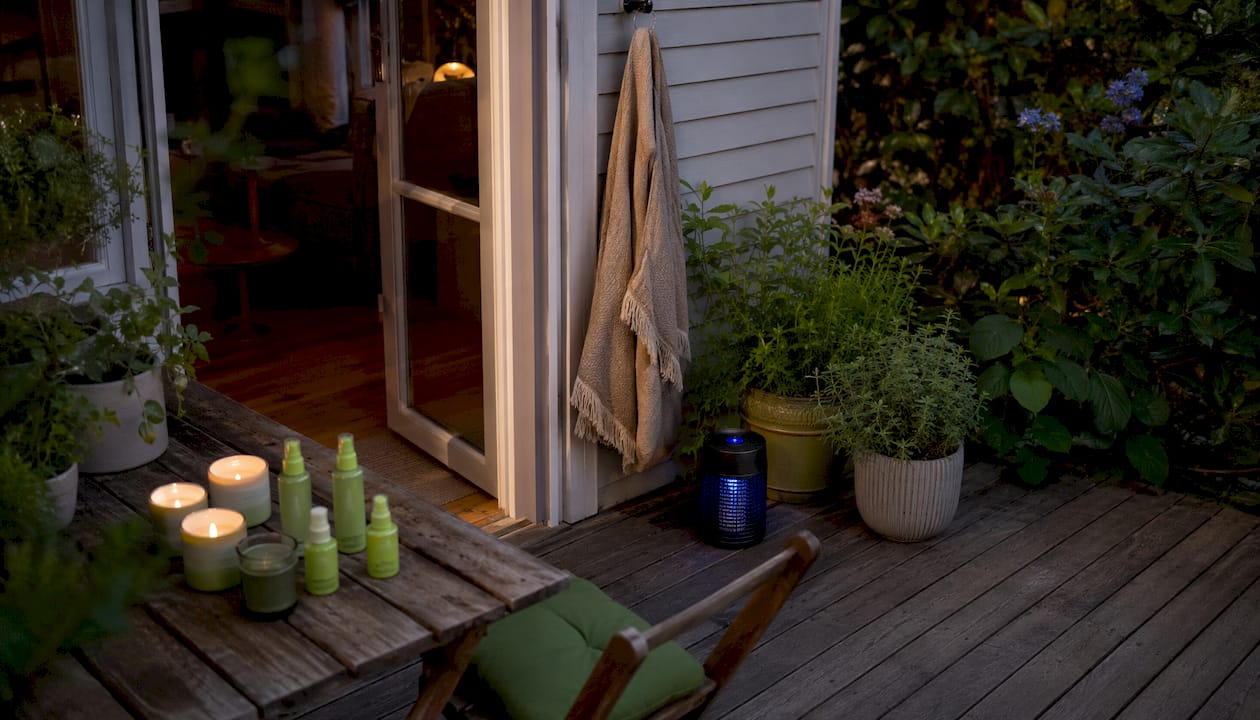
During the day, mosquitoes hide in cool, shaded, and humid spots, resting in dense vegetation, under leaves, and near standing water. When the sun drops and light levels fall, they emerge to feed. Lower light reduces their dehydration risk, and the cooler air makes flying easier and more efficient for these weak fliers.
What draws them out at dusk
- Light levels: Mosquitoes avoid harsh midday sunlight, which dries them out quickly
- Temperature: Cooling evening air is their sweet spot for flight and feeding
- Humidity: Rising moisture at dusk keeps them active longer
- Dark clothing: Mosquitoes are attracted to darker colors, making you a more visible target in the fading light
- Reduced wind: Calm evening air lets these weak fliers move freely and land on skin more easily
Mosquitoes also respond to carbon dioxide, body heat, and sweat compounds like lactic acid. After an evening workout or yard work session, you’re essentially a flashing neon sign to every mosquito in the area. Dense plantings and unmowed grass around your yard give them the perfect daytime shelter, so they’re already close by when dusk hits.
Health risks from mosquito bites during evening activities
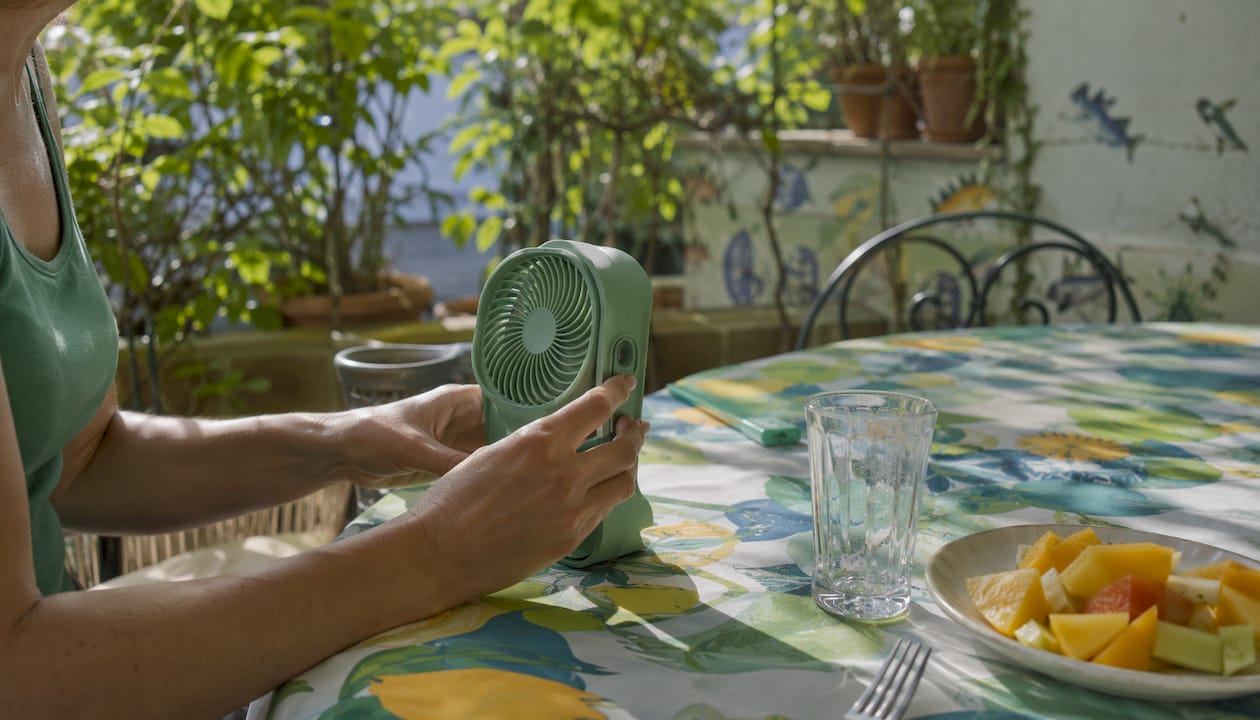
A mosquito bite isn’t just an itch. During evening outdoor activities, you’re exposed to insects that can carry serious mosquito-borne diseases including West Nile virus, Zika, dengue, and chikungunya. All four circulate in the United States and are transmitted primarily during the peak feeding hours around dusk and dawn.
Key health risks to know
- West Nile virus: Most people have no symptoms, but roughly 1 in 5 develop fever, headache, and body aches; a small percentage develop severe neurological illness
- Zika virus: Particularly dangerous during pregnancy, linked to serious birth defects
- Dengue fever: Causes high fever, severe joint pain, and in rare cases, life-threatening hemorrhagic fever
- Chikungunya: Produces intense joint pain that can persist for weeks or months
- Allergic reactions: Some people experience significant swelling, hives, or anaphylaxis from bites
- Secondary infections: Scratching bites can break the skin and introduce bacteria
Children, older adults, pregnant women, and people with weakened immune systems may have elevated risks of severe complications. That’s not a reason to stay inside forever, but it is a reason to take evening mosquito prevention seriously every time you head outdoors.
Effective prevention strategies for mosquito bites at dusk
The most effective approach combines multiple layers of protection. No single method covers everything, but stacking repellents, clothing choices, and environmental controls together gives you strong, reliable defense during evening outdoor activities.
Clothing and physical barriers
- Wear loose-fitting, long-sleeved shirts and long pants made of tightly woven fabric
- Choose light-colored clothing since mosquitoes are drawn to dark shades
- Use permethrin-treated clothing for an added layer of insecticidal protection (never apply permethrin directly to skin)
Environmental management
- Empty any container holding standing water weekly, including birdbaths, plant trays, buckets, and clogged gutters. Mosquitoes can breed in as little as one tablespoon of water.
- Trim dense shrubs and keep grass mowed to reduce daytime resting spots
- Switch outdoor bulbs to yellow or sodium-vapor orange lights, which attract far fewer mosquitoes than white or blue-toned bulbs
Repellents and fans
- Apply an EPA-registered repellent to all exposed skin before heading out
- Set up a portable fan in your outdoor seating area. Mosquitoes are weak fliers, and a steady breeze disrupts their ability to land on you effectively.
Pro Tip: Shower soon after evening outdoor activities. Mosquitoes are attracted to lactic acid in sweat, so washing up quickly removes the compounds that make you a target and lowers your bite risk for the rest of the evening.
Which repellents actually work for outdoor dusk protection?
The EPA registers insect repellents based on rigorous safety and efficacy testing. That registration matters because it’s the only reliable signal that a product does what it claims. CDC and EPA both recommend using only EPA-registered repellents for protection against mosquito-borne illness.
What the CDC says: “We do not know the effectiveness of non-EPA registered insect repellents, including some natural repellents. To protect yourself against germs spread by mosquitoes, CDC and EPA recommend using an EPA-registered insect repellent.”
EPA-registered active ingredients
- DEET: The gold standard, effective across a wide range of concentrations and mosquito species
- Picaridin: Odorless, non-greasy, and equally effective to DEET for most applications
- IR3535: A synthetic amino acid derivative with a strong safety profile, widely used in Europe
- Oil of Lemon Eucalyptus (OLE): The only plant-based option with EPA registration; do not confuse it with plain lemon eucalyptus essential oil, which has no proven efficacy
- 2-undecanone: A newer registered option derived from wild tomato plants
A word of caution: many products marketed as “natural” mosquito repellents lack EPA registration and have not been tested for effectiveness. That doesn’t mean every natural ingredient is useless, but it does mean you can’t rely on them alone during high-risk dusk hours when disease-carrying mosquitoes are most active.
Jeffi’s natural skin care products are formulated with a health-conscious approach, Non-GMO Project verified, and designed to complement your full protection routine. Pairing a certified natural body care product with an EPA-registered repellent gives you both skin nourishment and proven protection. For those who want to build a thoughtful outdoor skincare routine, professional skincare guidance can help you layer products without compromising efficacy.
Apply repellents only to exposed skin and the outside of clothing. Never apply them under clothing, near eyes or mouth, or on cuts and irritated skin. Reapply according to the product label, especially if you’re sweating heavily during evening outdoor activities.
Smart timing strategies to reduce your mosquito exposure
Timing is one of the simplest tools you have. Avoiding outdoor activity at dusk and dawn during the warmer months cuts your exposure to the species most likely to bite and transmit disease. That said, skipping every summer evening outside isn’t realistic for most people.
When you can’t avoid dusk, plan around it:
- Schedule activities earlier: Aim to wrap up outdoor gatherings or exercise before the sun drops below the horizon
- Stay away from water: Avoid sitting near ponds, birdbaths, or drainage areas where mosquitoes breed and congregate
- Keep distance from vegetation: Penn State Extension recommends staying at least nine feet from forest edges or dense shrub lines when possible
- Use screened spaces: Patios with screens or mesh enclosures let you enjoy the evening air without full exposure
- Go inside at peak hours: If mosquito pressure is high in your area, the 30-minute window around sunset is the riskiest. A short break indoors during that window can make the rest of the evening far more comfortable.
Some mosquito species are exclusively dusk and dawn feeders, while others fly throughout the day. Knowing which species are active in your region, available through your local health department or state extension service, helps you gauge how strict your timing strategy needs to be.
Key Takeaways
Mosquitoes pose their highest bite and disease transmission risk during dusk outdoor activities, and layering EPA-registered repellents, protective clothing, environmental controls, and smart timing gives you the strongest defense.
| Point | Details |
|---|---|
| Peak risk window | Dusk and dawn are peak mosquito feeding hours, driven by low light, cooling temperatures, and rising humidity. |
| Disease exposure | West Nile virus, Zika, dengue, and chikungunya are all transmissible during evening outdoor activities in the U.S. |
| Repellent choice | Only EPA-registered ingredients like DEET, Picaridin, IR3535, and Oil of Lemon Eucalyptus have proven efficacy. |
| Environmental control | Mosquitoes breed in as little as one tablespoon of standing water; weekly emptying of containers reduces local populations. |
| Lighting swap | Switching to yellow or sodium-vapor orange outdoor bulbs reduces mosquito attraction compared to white or blue-toned lights. |
Protect your skin naturally this season. Jeffi’s Non-GMO Project verified body care line is crafted for people who want clean, effective skin care before and after time outdoors. From nourishing whipped body butters to thoughtfully formulated product bundles built for outdoor enthusiasts, Jeffi pairs beautifully with your full dusk protection routine.

Shop Jeffi at jeffi.us and bring natural confidence to every evening adventure.