

Yes, mosquitoes can bite through leggings, and in most cases, it comes down to fabric and fit rather than bad luck. A mosquito’s proboscis is roughly the width of a human hair, which means any weave loose enough to let a strand of hair through can also let a bite through. CDC guidance points to loose, treated clothing as real protection, and NC State researchers have proven certain fabrics stop bites completely. Permethrin treatment closes the gap fabric alone can’t.
If you’re heading outside in leggings tonight:
- Add a looser layer over thin or stretchy leggings, especially at dusk.
- Spray exposed skin with a topical repellent.
- Save your tightest compression leggings for indoor workouts, not backyard sunsets.
Key Takeaways
Mosquitoes bite through leggings when fabric is thin, stretched, or pressed tight against skin, so fit and weave density matter more than the garment category itself.
| Point | Details |
|---|---|
| Fit beats fabric type | Compression and stretched leggings remove the air gap a proboscis needs to be blocked. |
| Lab-tested fabrics work | Peer-reviewed testing found 53 of 88 fabrics fully bite-proof, favoring dense, heavy weaves. |
| Permethrin adds real protection | Full-coverage permethrin-treated clothing blocked 91% of bites versus 49% for partial coverage. |
| Layer your defenses | Combine loose outer layers, treated clothing, and topical repellent for the best results. |
| Cover exposed skin naturally | Jeffi’s DEET-free repellents and after-bite lotions handle the areas clothing can’t reach. |
Table of Contents
- Do Mosquitoes Bite Through Leggings and Other Tight Clothing?
- Why Leggings Are Often an Easy Target
- What Lab Research Reveals About Bite-Resistant Fabrics
- Permethrin-Treated Clothing and Topical Repellents Explained
- Your Prevention Checklist for Wearing Leggings Outdoors
- Shopping for Mosquito-Resistant Leggings: What Actually Matters
- If a Mosquito Bites You Through Your Leggings
- Frequently Asked Questions
- Sources
Do Mosquitoes Bite Through Leggings and Other Tight Clothing?
A mosquito doesn’t chew through fabric. It slides its proboscis, a needle-thin mouthpart, through any opening wide enough to reach skin. That opening can be a loose weave, a stretched seam, or a fabric gap created by fit rather than material.
Pore size in the weave matters more than most people assume. Loosely woven cotton or gauzy synthetic blends leave gaps that a proboscis clears without resistance, while densely packed fibers force it to work harder or stop entirely.
- Thickness and weave density determine whether a proboscis reaches skin.
- Fit changes everything: fabric pressed tight against skin removes the small air buffer that normally stops the bite.
- Stretching a garment, even one made from a tighter weave, widens pore openings enough to create a path through.
Skin-tight clothing is often the real problem, not the fabric type printed on the tag.
Why Leggings Are Often an Easy Target
Most leggings are made from spandex, elastane, or nylon blends chosen for stretch and comfort, not bite resistance. That stretch is exactly what works against you outdoors. As fabric expands to fit a body in motion, the weave opens up, and a fabric that might resist a bite while relaxed becomes penetrable the moment you sit, bend, or walk.
Compression leggings compound the issue. They’re designed to press against skin, eliminating the small air gap a looser garment provides. Healthline notes that thin, tight fabrics like spandex and yoga pants rank among the most penetrable clothing categories.
Common vulnerable examples include:
- Yoga pants and athletic tights worn during evening walks or runs
- Compression leggings used for recovery or travel
- Thin printed leggings marketed for everyday wear rather than outdoor durability
Pro Tip: If you love leggings for evening activity, throw a loose pair of nylon pants or a long, breathable skirt over them near dawn and dusk, when mosquitoes are most active. The outer layer does the blocking so your leggings don’t have to.
What Lab Research Reveals About Bite-Resistant Fabrics
This isn’t guesswork anymore. A peer-reviewed study published in Insects tested 88 fabrics against mosquitoes in behavioral bioassays and found 53 were completely blood-feed-proof. Researchers narrowed the field further and identified several commercially available, comfortable fabrics that blocked bites from Aedes, Anopheles, and Culex mosquitoes, three of the species behind most bites and disease transmission worldwide.
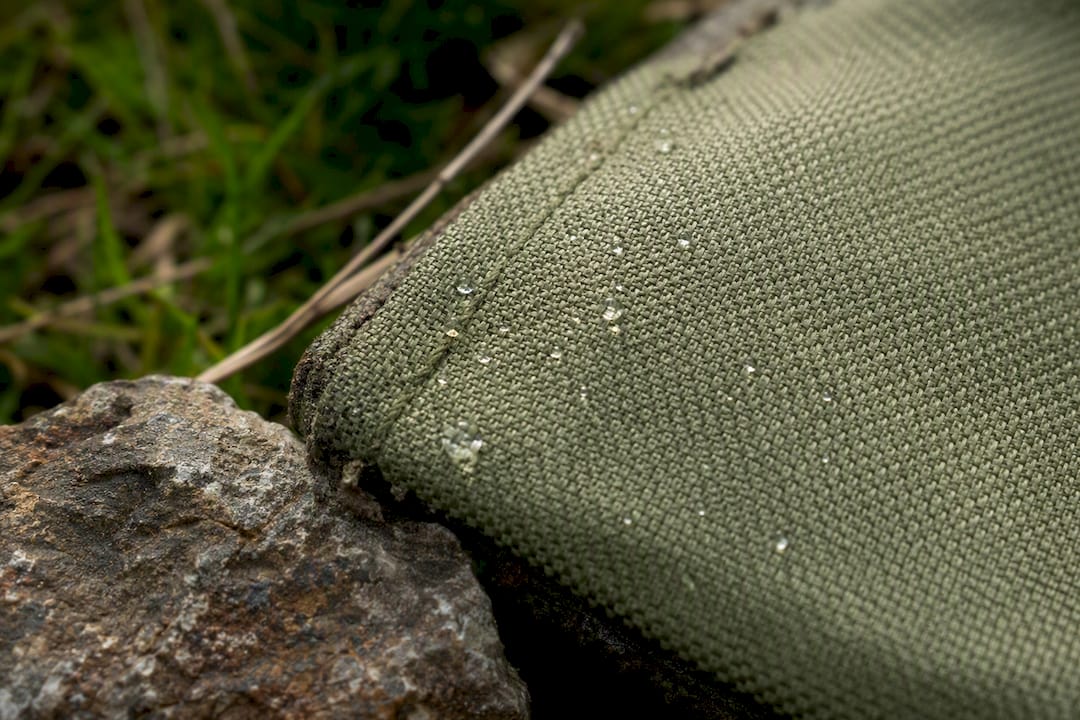
Separately, NC State researchers built prototype garments that hit 100% bite resistance in walk-in-cage trials once they solved a specific engineering problem: stretch. Fabric that resisted bites while flat failed the moment it stretched over a knee or elbow, so the winning designs accounted for movement, not just material.
The traits that separated bite-proof fabric from vulnerable fabric were consistent:
- Higher areal weight density (heavier fabric per square inch)
- Smaller, tighter pore openings in the weave
- Multi-layer or engineered constructions that stayed stable under stretch
If you’re evaluating what’s in your closet or considering a purchase, look for:
- Weave density described in the product specs, not just marketing language
- Ripstop fabric, heavy twill, or denim style construction
- Caution around single-layer stretch knits marketed as “protective” without any testing data behind the claim
Permethrin-Treated Clothing and Topical Repellents Explained
Permethrin is an insecticide applied directly to fabric, and it works differently than a spray on your skin. It incapacitates or kills mosquitoes that land on treated clothing, adding a layer of defense fabric alone can’t provide. CDC recommends permethrin-treated clothing alongside loose-fitting long sleeves and pants as part of a complete prevention strategy.
The numbers back this up. A CDC laboratory study found full-coverage permethrin-treated clothing prevented 91% of bites, compared to just 49% with partial coverage. Coverage and treatment work together, not separately.
Topical repellents handle the parts clothing can’t cover: hands, face, neck, ankles. DEET and Picaridin are both effective, EPA-registered options for exposed skin, and they complement treated clothing rather than replace it.
A few safety notes worth keeping in mind:
- Never apply permethrin directly to skin. It’s a fabric treatment only.
- Follow label directions for reapplication after washing treated garments.
- Choose EPA-registered DEET or Picaridin products for skin, and check concentration guidance for children.
Your Prevention Checklist for Wearing Leggings Outdoors
- Layer up. Add a loose outer layer, especially at dawn and dusk when mosquito activity peaks.
- Tuck in. Tuck pant hems into socks if you’re in tall grass or wooded areas.
- Go light. Mosquitoes are drawn to dark colors more than light ones, so choose pale, breathable fabrics when possible.
- Treat exposed skin. Apply a topical repellent to hands, ankles, and neck.
- Skip the compression-only strategy. Don’t count on tight leggings alone as coverage, even if they feel protective.
Pro Tip: Combine all three layers of defense, loose fit, permethrin treatment, and topical repellent, if you’re gardening, camping, or living somewhere with heavy mosquito pressure. Each layer covers a gap the others miss.
Shopping for Mosquito-Resistant Leggings: What Actually Matters
Marketing terms like “mosquito-resistant” mean nothing without specs behind them. Trust products that state actual weave density, fabric weight, or reference independent testing, not just a label.
Watch for red flags:
- Vague claims with no fabric construction details
- Products relying solely on an insecticide coating with no durability data on how long it lasts through washing
- No mention of pore size, layering, or areal weight
The practical rule: buy based on published specifications, ripstop construction, heavy twill weight, tested weave density, rather than a hopeful word on the packaging.
If a Mosquito Bites You Through Your Leggings
Wash the area with soap and water first. A cold compress reduces swelling and calms the itch fast. Reach for a topical anti-itch treatment to keep you from scratching, which is what actually causes skin irritation and infection risk.
See a doctor if you notice spreading redness, fever, or swelling that gets worse instead of better after a day or two.
A Research-Backed Take on Bite Prevention
The gap between “wearing pants” and “being protected” is wider than most people realize. NC State’s cage trials and the CDC’s permethrin data both point to the same conclusion: coverage without the right fabric or treatment is a false sense of security. Jeffi built its repellent and after-bite line around that reality, treating exposed skin as seriously as researchers treat fabric.
Where Jeffi Fits Into Your Bite-Prevention Routine
Fabric and permethrin handle clothing, but your hands, ankles, and neck still need their own layer of defense. Jeffi makes all-natural, DEET-free topical repellents and soothing after-bite lotions designed for exactly those exposed spots, without synthetic chemicals on your skin.

These formulas are meant to complement your clothing choices, not replace them, so always follow the label and pair them with the coverage strategies above for the best results. Whether you need a roll-on for a hike or a calming lotion for the bites you didn’t quite dodge, Jeffi’s mosquito repellent and skin care line is a natural next step. Browse the collection and find what fits your next evening outdoors.
Frequently Asked Questions
Can mosquitoes bite through clothes in general, not just leggings? Yes. Any fabric with a loose enough weave, thin enough material, or a tight enough fit against skin can let a bite through, regardless of garment type.
Are leggings mosquito proof if they’re labeled “athletic” or “compression”? Not automatically. Compression fit actually increases vulnerability by pressing fabric flush against skin, removing the buffer that normally stops a bite.
What’s the best clothing to prevent mosquito bites? Loose-fitting, tightly woven fabrics like ripstop polyester, denim, or heavy twill, ideally treated with permethrin, offer the strongest combination of coverage and protection.
Do mosquitoes penetrate fabric more easily when it’s wet or sweaty? Damp fabric can cling to skin similarly to tight fits, reducing the air gap and making penetration easier, so moisture-wicking loose layers are worth the investment.
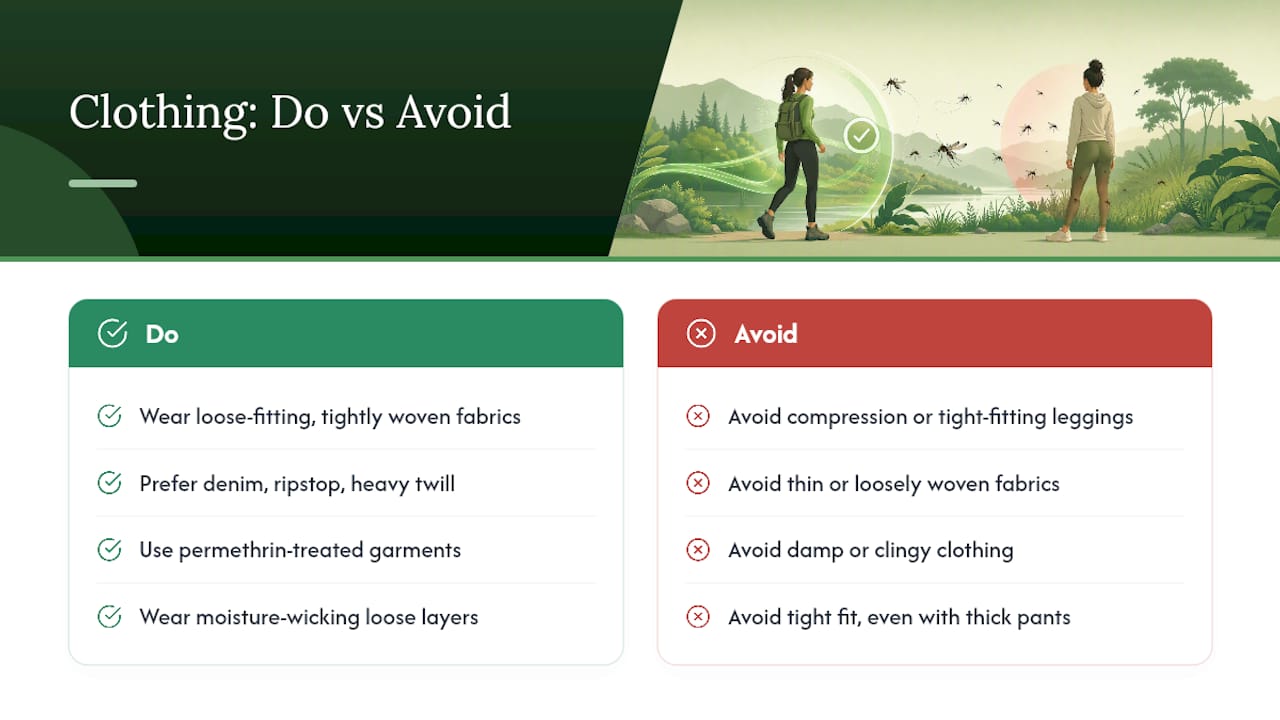
Can mosquitoes bite through pants that aren’t leggings, like jeans or joggers? Denim and heavier joggers made from thick, tightly woven material generally resist bites far better than thin leggings, though a very tight fit can still reduce protection somewhat.
Sources
- Mosquito-resistant clothing prevents bites in trials | NC State News
- Preventing mosquito bites | CDC
- Can mosquitoes bite through clothing? | Healthline